X-date insurance leads: what an X-date is, what a list costs, and how to call it
P&C agents have argued about X-date calling on the insurance forums for a decade, in threads like “Calling Commercial Accounts for X Dates”. The pages that rank for it now sell the data. I read the list prices and the rules today, and priced the part they leave out: the calls.
What is an X-date in insurance?
X-date is shorthand for expiration date: the day a homeowner’s, auto, general liability or commercial auto policy ends and the customer renews, replaces it or goes without. A policy is hard to move in the middle of its term and easiest to move as it comes up for renewal, so the X-date tells the agent when a prospect is in the market. The usual X-date call is short: it asks when the policy renews and who writes it, and asks to call back before then with a quote.
Where X-dates come from: collected, bought, or public
- Collected on calls. Most commercial X-dates are learned by asking, one discovery call at a time, and agencies keep them in spreadsheets or their management system. A “quoted, not closed” list with renewal dates is the same thing, and often the most valuable list in the agency.
- Bought homeowner and auto lists. Data sellers build homeowner X-dates from county purchase records: Datamasters says it can select homeowners coming up on “the anniversaries of their Home Purchases”, and sells auto owners by purchase month. The date is an estimate until the policyholder confirms it.
- Public trucking dates. An insurer cancelling a motor carrier’s filed coverage gives FMCSA 30 days’ written notice first (49 CFR 387.313(d), read on eCFR October 30, 2026), so those cancellation dates are on the public record before they take effect.
How much do X-date insurance leads cost?
| Homeowner X-dates | Price | Per record |
|---|---|---|
| 500 | $75 | 15¢ |
| 1,000 | $150 | 15¢ |
| 2,000 | $260 | 13¢ |
| 5,000 | $550 | 11¢ |
Datamasters homeowner X-date lists, read on datamasters.org October 30, 2026: monthly or as needed, no subscription, name, address and phone; DNC-scrubbed phones on about 7.3 million of its ~70 million homeowner records; no data for California, Oregon or Vermont residents.
Per record that is cheap next to the aged final expense leads life agents buy, and the reason is in the source: a purchase anniversary from the courthouse, not a policyholder who asked for a quote. A homeowner who switched carriers or rewrote the policy since buying has a different renewal date, so the first call is there to correct the date as much as to confirm it.
What calling a 1,000-record X-date list costs, per confirmed date
| Policyholders reached in three attempts (example) | Confirmed X-dates | List + one month of DialSheet | Per confirmed X-date |
|---|---|---|---|
| 15% | 150 | $218 | $1.45 |
| 25% | 250 | $218 | $0.87 |
| 35% | 350 | $218 | $0.62 |
1,000 records at $150, three attempts each over 21 working days (3,000 dials, about 143 a day). DialSheet: one Pro seat ($29) plus the agent's own Twilio from perRepTelephony() (25% of dials reach voicemail, 10% reach a person for three minutes, both call legs, one number), about $68. The reach rates are examples, not industry figures: put in your own.
The dialer is about 31% of that first pass; the list is the rest. The number that moves the cost per confirmed date is the reach rate, which is why the dialing pattern matters more than the dialer’s price: three attempts at different times of day, local caller ID, and a voicemail that gives the agent’s name and a reason to call back.
How to call an X-date list: two calls, not one
Call one confirms. Ask when the policy renews and who writes it, and ask for permission to call back with a quote before then. Write the confirmed date over the bought one. A no is an answer too: log it and stop dialing that record.
Call two quotes. Set it for the window your carriers let you rewrite in, ahead of the confirmed X-date, and arrive with the quote. Carriers and states differ on how early a policy can be bound, so the window is yours to set; the point is that the call is booked on the day of the first one.
Commercial X-dates follow the same pattern with a longer lead time, and the forum threads on calling a Cole or a commercial X-date list come back to the same advice: the first call is for the date, not the sale.
Set up X-date calling in DialSheet
- Import the CSV. The importer maps name and phones, and offers the X-date and carrier columns as new custom fields; pick Date for the X-date. Steps for any spreadsheet are in calling a list of leads from a spreadsheet.
- Turn on “Show in dialer” for the X-date and carrier fields so they sit under the contact on every call.
- Sort the leads by the X-date field: earliest first, records without a date last. Select all and Power Dial, and the session dials in renewal order.
- On a confirmed date, edit the field in place and add a task dated for the quote call; Tasks shows what is due today.
- “Do Not Call” blocks every number on the lead for the whole team, and each lead shows its local time.
Custom fields, sorting by them and tasks are part of Pro at $29/month per seat. The free plan dials a list of up to 500 leads with no X-date field. An agent with a big file can switch to the parallel dialer, which rings two to 5 records at once and screens voicemail greetings.

Do Not Call rules for X-date lists
Calls to homeowners are calls to residential numbers. Under 47 CFR 64.1200(c)(2) a telephone solicitation may not go to a number on the national Do Not Call registry unless an exemption applies, such as an established business relationship or the person’s own permission, and 64.1200(c)(1) keeps calls between 8 a.m. and 9 p.m. at the called party’s location (both read on eCFR October 30, 2026). Ask the list seller whether its phones are scrubbed, keep your own internal list, and check your state’s rules. DialSheet keeps the internal list and shows the lead’s local time; it does not scrub against the registry, and nothing in it makes a call compliant. Consent where the law requires it is yours. This is not legal advice.

Where DialSheet does not fit
- It sells no X-date data. Commercial X-date services and homeowner list sellers do.
- It is not an agency management system: policies, renewals and commissions stay in yours.
- No inbound phone system or queues for the callbacks prospects make to you.
- No predictive mode for a floor of agents dialing one shared list.
Who runs on it
An insurance agency runs 1,000 calls a month, retained month over month. Also: a nine-rep calling floor, and a customer's own story on its own site.
- dialsheet.ioindependent insurance agencyAn insurance agency runs 1,000 calls a month, retained month over month
- dialsheet.ioUK accountancy practiceA UK accountancy practice put a 9-rep outbound floor live in one day
- goodroofing.caHow we book estimatesA Calgary roofer on how a storm-season team calls every homeowner in order, with local numbers and no missed follow-ups. “Our calling runs on DialSheet.”
X-date questions
What is an X-date in insurance?
An X-date is the expiration or renewal date of a prospect's current policy, the day it ends and the customer renews, replaces it or goes uncovered. Property and casualty agents collect X-dates because a policy is easiest to move as it comes up for renewal, so the X-date tells them when to call back with a quote. It is also written x-date, X date or xdate.
How much do X-date insurance leads cost?
Homeowner X-date lists are cheap per record. Datamasters, read October 30, 2026, sells any 500 for $75, 1,000 for $150, 2,000 for $260 and 5,000 for $550, which is 15¢ down to 11¢ a record, with no subscription. Those dates come from county home-purchase records, so each one is the anniversary of the purchase, a likely renewal date rather than a confirmed one. Commercial X-dates are mostly collected one discovery call at a time, and trucking cancellation dates are public through FMCSA.
How do you call X-dates?
In two calls. The first confirms the real renewal date and current carrier and asks permission to call back with a quote before it; the second, a few weeks before that date, is the quote. In DialSheet, import the list with its X-date column as a Date field, sort the leads by X-date so the soonest renewals dial first, Power Dial them, and log a Callback with a task dated for the second call. Date fields, the sort and tasks are in Pro at $29 a seat.
What does it cost to call a 1,000-record X-date list?
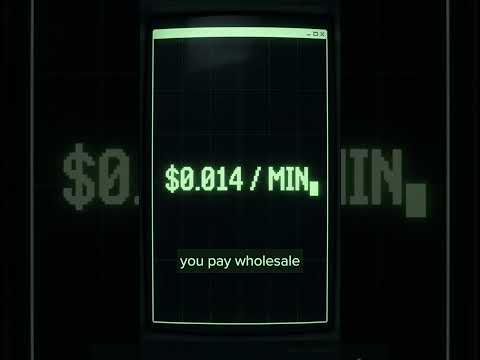
On DialSheet, three attempts on each of 1,000 records is about 143 dials a working day for a month, roughly $68 for one Pro seat and the agent's own Twilio minutes at ~$0.014/min. With the $150 list that is about $218 for the first pass, so the dialer is about 31% of the bill. If you reach the policyholder on 25% of records (an example, use your own rate), each confirmed X-date costs about $0.87.
Do I need to scrub an X-date list against the Do Not Call registry?
For telemarketing calls to residential numbers, generally yes: 47 CFR 64.1200(c)(2) bars telephone solicitations to numbers on the national Do Not Call registry unless an exemption applies, such as an established business relationship or the person's permission, and 64.1200(c)(1) limits calls to 8 a.m. to 9 p.m. at the called party's location. Ask the list seller whether the phones are scrubbed; Datamasters offers DNC-scrubbed phones on a subset of its records. State rules add to these. This is not legal advice.
What is the best software for calling X-dates?
DialSheet, for a P&C agent or agency who dials their own X-date list: the X-date sits on each lead as a Date field, the list sorts by it so the next renewals dial first, and Power Dial or the 5-line parallel dialer works it in that order, with callbacks as dated tasks, in a $29 seat month to month. Keep your agency management system for policies and the book; DialSheet is the calling side. X-date data services such as Insurance Xdate sell the commercial data itself.
List prices read on datamasters.org, and 49 CFR 387.313 and 47 CFR 64.1200 on eCFR, on October 30, 2026. Reach rates in the tables are examples for you to replace. Twilio figures are US list rates billed to you by Twilio. Scrubbing, consent where the law requires it and calling hours are your responsibility; this is not legal advice. We build DialSheet.